
Choosing the right siding for your Maine home is one of the most important decisions you can make for long-term protection, curb appeal, and energy efficiency. With harsh winters, coastal winds, heavy snow, and frequent freeze–thaw cycles, Maine’s climate requires siding that can handle extreme conditions year after year. Two of the most popular and trusted options among homeowners are vinyl siding and fiber cement siding. Both offer unique benefits, but they perform differently depending on your home’s location, budget, and durability needs.
Freedom Roofing works with homeowners across Maine to help them choose the right siding material. Below is a complete comparison of vinyl vs. fiber cement siding to help you decide which is best suited for Maine’s unique environment.
Durability in Harsh Weather
Maine’s climate can be brutal on siding materials. The combination of cold temperatures, snow, ice, and high winds means durability is a top priority.
Vinyl Siding Durability
Vinyl siding is resistant to moisture, rot, and termites, which makes it a popular choice. However, in extremely cold temperatures, vinyl can become more brittle. Strong impacts from ice or debris may cause cracking. In coastal regions, vinyl can also be affected by strong winds if not properly installed.
Fiber Cement Durability
Fiber cement siding is considered one of the most durable materials available. It resists cracking, warping, and swelling, even in extreme cold. It stands up extremely well to freeze–thaw cycles, snow accumulation, wind-driven rain, and coastal salt exposure. For homes exposed to harsh weather or located near the coast, fiber cement offers superior long-term durability.
Moisture Resistance and Rot Protection
Moisture is a major challenge for Maine homeowners, especially with snowmelt, heavy rainfall, and high humidity.
Vinyl Moisture Performance
Vinyl does not absorb water and is naturally rot-resistant. However, if water penetrates behind the panels due to improper installation, it can lead to hidden moisture issues in the sheathing.
Fiber Cement Moisture Performance
Fiber cement is engineered to handle moisture extremely well and will not rot, swell, or warp when installed correctly. It is often the preferred choice for homes in damp regions or near Maine’s coastal areas.
Energy Efficiency
Energy efficiency is especially important in Maine, where heating costs can consume a large portion of the household budget.
Vinyl Energy Benefits
Vinyl siding is available in insulated versions that significantly improve energy efficiency. Insulated vinyl adds thermal protection, reduces heat loss, and helps keep homes warmer during winter.
Fiber Cement Energy Benefits
Fiber cement does not come with built-in insulation, but it works extremely well when combined with a high-quality house wrap and additional insulation. Homeowners often choose it for its durability and pair it with proper underlayment for efficiency gains.
Aesthetic and Style Options
Your home’s appearance matters, and both materials offer a wide range of styles.
Vinyl Aesthetics
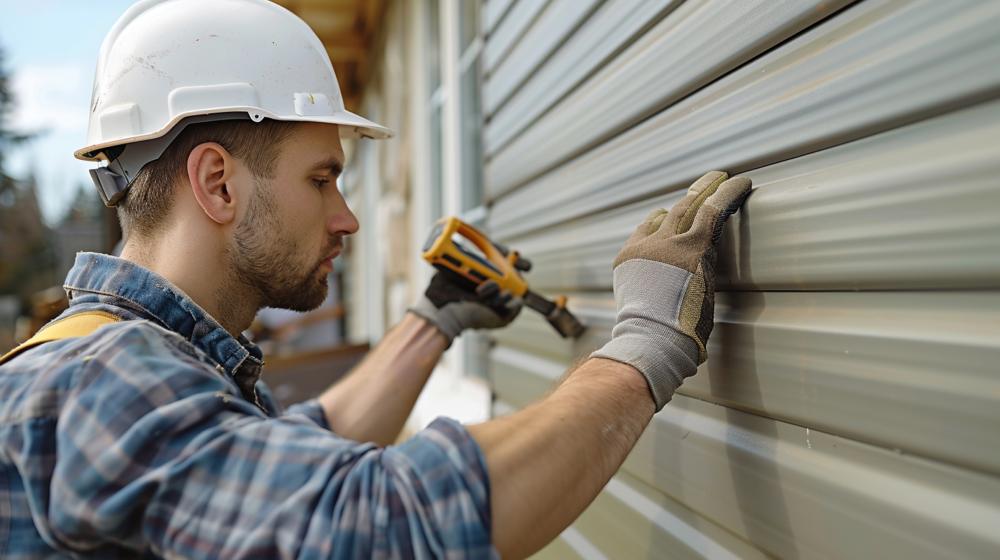
Vinyl siding comes in many colors, textures, and finishes. It offers:
- Wood-look options
- Horizontal and vertical styles
- Shake and shingle designs
Vinyl’s color is baked in, so it doesn’t require painting and is easy to maintain.
Fiber Cement Aesthetics
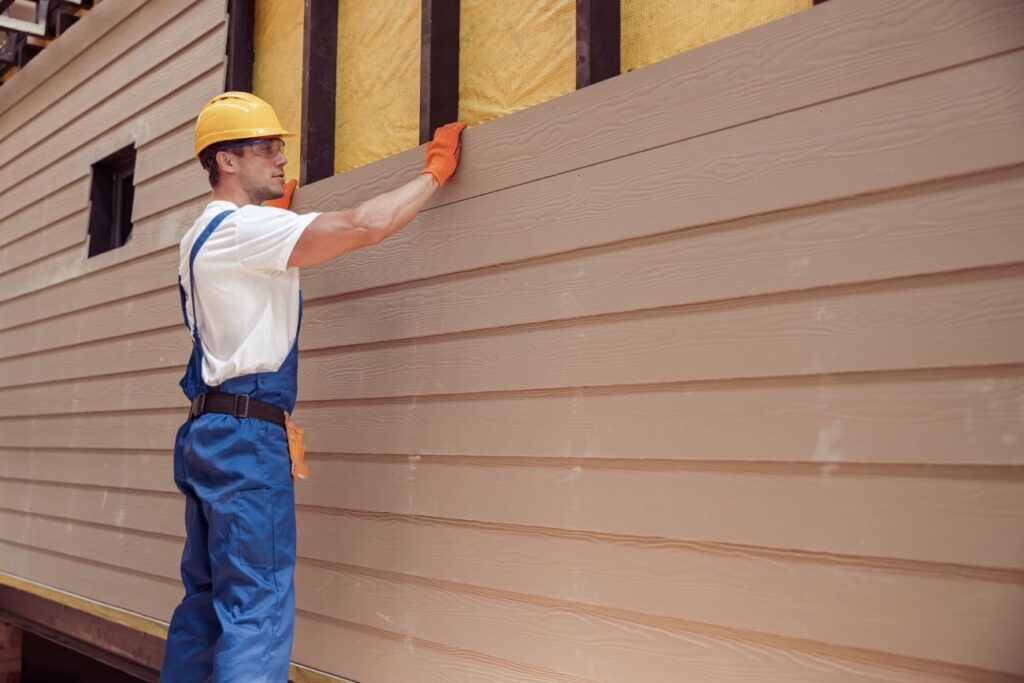
Fiber cement offers a premium, high-end appearance and can mimic real wood exceptionally well. It must be painted, but the finish lasts far longer than painted wood and holds color very well.
Maintenance Requirements
Maintenance needs can be a major deciding factor for homeowners.
Vinyl Maintenance
Vinyl is extremely low-maintenance. It only requires occasional washing to remove dirt and mildew. It never needs painting.
Fiber Cement Maintenance
Fiber cement requires more maintenance than vinyl but far less than natural wood. It needs repainting approximately every 10–15 years. However, its durability makes it a long-term, reliable option.
Cost Comparison
Budget plays a major role in choosing siding.
Vinyl Cost
Vinyl is more affordable upfront. It offers strong value and long-lasting performance at a lower price point. It’s ideal for homeowners looking for a balance of protection and budget-friendliness.
Fiber Cement Cost
Fiber cement costs more due to the material itself and higher installation labor. However, its durability and lifespan often make it a worthwhile investment for Maine homeowners seeking premium performance.
Performance in Coastal vs. Inland Maine
Where you live in Maine affects which siding is best for your home.
- Coastal Homeowners: Fiber cement is typically the better choice. It resists salt, wind, and moisture more effectively.
- Inland Homeowners: Either material works well, but insulated vinyl may offer better energy savings for colder inland areas.
Freedom Roofing helps homeowners evaluate their regional needs during an inspection.
Which Should You Choose?
If you want the most durable and weather-resistant option for Maine’s extreme climate, fiber cement siding is usually the top recommendation. It offers unmatched performance against wind, moisture, snow, and freezing temperatures.
If you’re looking for an affordable, low-maintenance solution with good energy efficiency, vinyl siding—especially insulated vinyl—is a reliable and budget-friendly choice.
Final Thoughts
Both vinyl and fiber cement siding can protect your Maine home effectively, but each has its strengths. Vinyl provides excellent value with minimal maintenance, while fiber cement delivers superior durability and long-term performance. Freedom Roofing can help you evaluate your home’s needs, compare options, and choose the siding that offers the best protection and appearance for Maine’s challenging climate.