
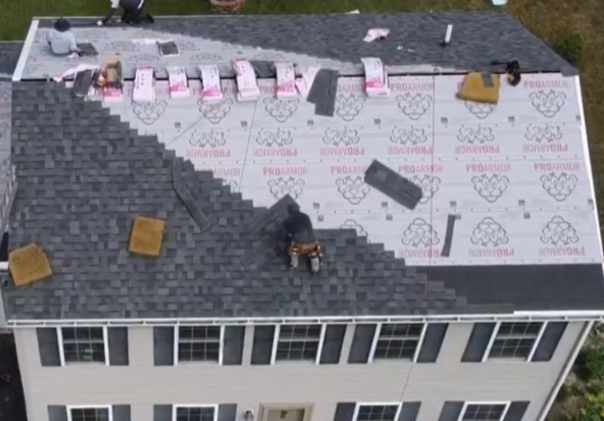
Living in Portland, Maine, I noticed that winter storms and salt air were taking a toll on my roof. Moss growth, streaking, and minor leaks had started appearing along the edges. Freedom Roofing helped me inspect the roof, replace worn shingles, repair gutters, and address minor siding issues. Prompt attention prevented further moisture damage and kept my home protected through the winter.
How Does Salt Air Impact Residential Roofs in Portland, ME?
After seeing dark streaks and moss on my roof, I wanted to understand why this was happening. Living near the coast, I knew salt in the air could be a factor. Portland’s winter weather combines snow, ice, freezing temperatures, and wind-driven salt particles that can accelerate shingle wear. Salt exposure contributes to brittleness, and moisture trapped in valleys or along dormers can worsen leaks.
My home is a classic Portland-style house with steep dormers and older gutters. I noticed that the shingles on the north side of the roof were more affected, with some curling and discoloration. Salt air didn’t just discolor the shingles; it seemed to accelerate the natural wear from winter storms.
My gutters had rust forming in a few spots, likely from salt exposure combined with melting snow. Knowing these conditions, I realized that ignoring the problem could allow small leaks to worsen over the winter.
What Steps Did I Take to Address the Problem?
I reached out to Freedom Roofing for a residential roofing inspection. Their team examined every section of my roof, including dormers, valleys, and gutters. They looked for weakened shingles, water retention areas, and spots where moss and salt buildup were most pronounced. Winter conditions made the inspection trickier, with ice patches and snow still present on shaded areas, but they carefully documented each risk zone.
During the inspection, they discovered minor leaks around my dormers caused by shingles losing adhesion from salt exposure and moisture penetration. They recommended replacing the affected shingles with asphalt shingles rated for coastal climates, which are more resistant to salt and moisture. They also addressed small areas of my siding that were showing early water damage, using their siding repair services to help prevent further issues. I appreciated that they explained the process step by step, especially how winter weather could affect timing and safety.
How Long Did the Repairs Take and What Was Involved?
The partial roof replacement, gutter repair, and minor siding work took about three days. Winter weather in Portland can slow work, but the crew coordinated around a brief period of clear conditions to avoid leaving areas exposed.
The damaged shingles were removed, and new asphalt shingles with coastal protection were installed. The team made sure valleys, dormers, and flashing were sealed properly to prevent water infiltration. Gutters were cleaned, repaired, and treated to reduce rust, while siding repairs addressed water-prone sections along the roofline. The crew kept the work area organized and maintained communication about daily progress, which made it easy to track the project during the cold season.
What Did the Repairs Cost?
For my home in Portland, Maine, the total cost for these winter repairs ranged between $5,000 and $8,500, depending on material choices and roof complexity. Winter conditions can slightly extend project timelines, but addressing the problem promptly prevented more extensive damage that could have increased costs. The three-day timeframe was reasonable given the weather, the steep roof sections, and the need to work safely around ice and snow.
Tips for Homeowners Facing Salt-Air Roof Damage
How can I prevent moss buildup on a roof in Portland, ME?
Inspect shaded and north-facing areas regularly. Removing moss and debris helps prevent moisture retention, which can damage shingles and roof decking.
Can winter weather worsen salt air damage?
Yes. Ice and snow trap moisture on shingles and in gutters, which can accelerate corrosion and brittleness. Timely inspections after storms are important.
Are minor leaks around dormers common in coastal Maine homes?
They are. Dormers and roof valleys can trap snow and moisture, especially where salt air has weakened shingles or flashing. Catching leaks early reduces water infiltration risks.
Is professional residential roofing necessary for salt air damage?
Professional inspections are recommended. Steep dormers, icy conditions, and salt exposure make DIY repairs risky and less effective.
What maintenance steps can protect a roof from salt and winter conditions?
Clear gutters regularly, remove moss and debris, and inspect shingles after storms. Small preventative repairs reduce the risk of larger issues.
Why Local Expertise Matters in Portland, ME
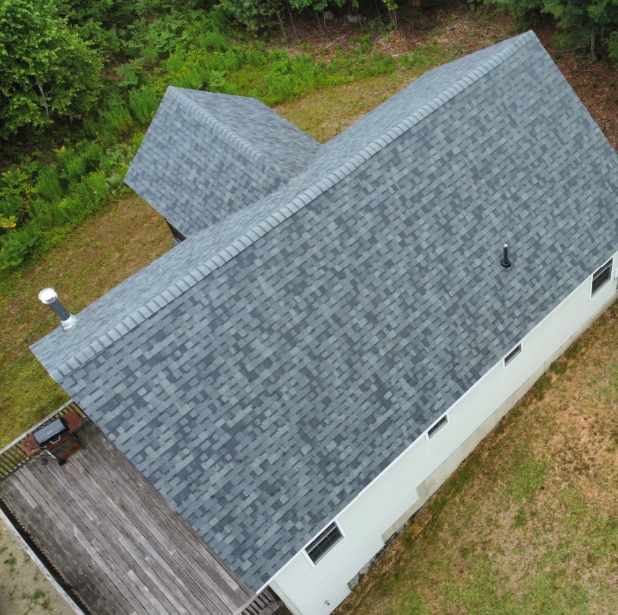
Working with a company familiar with Portland’s coastal environment made a noticeable difference. Freedom Roofing understood how salt-laden winds, ice, and snow impact shingles and gutters. Their local knowledge helped address not only visible damage but also potential hidden issues, like valleys, flashing, and siding near the eaves. My repairs included residential roofing, storm damage roof repair, and minor siding services—all coordinated efficiently to minimize winter risks.
Local expertise means the team can anticipate seasonal hazards and work safely in winter conditions, avoiding delays while still completing a thorough repair. They also provided practical advice for ongoing maintenance in a coastal Maine environment.
Moving Forward: Protecting Your Roof from Salt Air
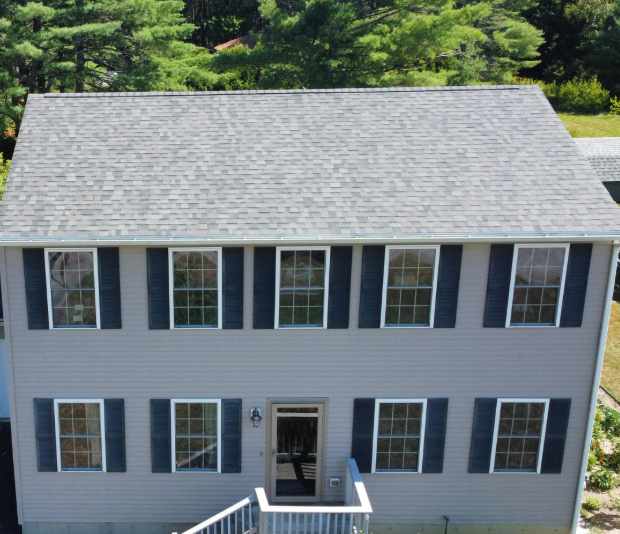
After the repairs, I noticed a significant reduction in moss growth and no leaks, even during heavy winter storms. I learned that prompt attention, careful inspections, and addressing minor siding or gutter issues can prevent structural problems and moisture damage.
If you live near Portland’s coast, monitoring your roof seasonally is worthwhile. Early intervention can prevent small issues from becoming larger problems, especially in the winter months. Contact their experts by calling or using the online form to schedule an inspection or discuss repairs. Prompt attention helps protect your home efficiently and ensures winter conditions don’t worsen roof damage.