
Maine winters are no joke. Homeowners across the state know that the season brings heavy snowfall, ice storms, freezing rain, and temperatures that can plummet well below zero. While most people focus on insulating pipes and stocking up on firewood, your roof deserves just as much attention before the first flake falls.
A roof that goes into winter unprepared is a roof that’s vulnerable. Small issues that seem harmless in September can become costly emergencies by January. The good news? A little proactive maintenance goes a long way. Here’s a complete checklist to help you get your roof ready for whatever Maine’s winter throws at it.
Start With a Visual Inspection
Before hiring a professional, take a few minutes to look at your roof from ground level. You don’t need to climb a ladder—binoculars work well for spotting obvious problems. Look for missing, cracked, or curling shingles. Check for sagging areas along the roofline, which can indicate structural stress or water damage beneath the surface. Pay attention to the condition of your ridge caps—the shingles that run along the peak of your roof—since these are often the first to deteriorate.
If you have a flat roof, look for visible pooling, blistering, or membrane separation. Any signs of wear in these areas should be addressed before snow and ice settle in and amplify the problem.
Clean Your Gutters and Downspouts
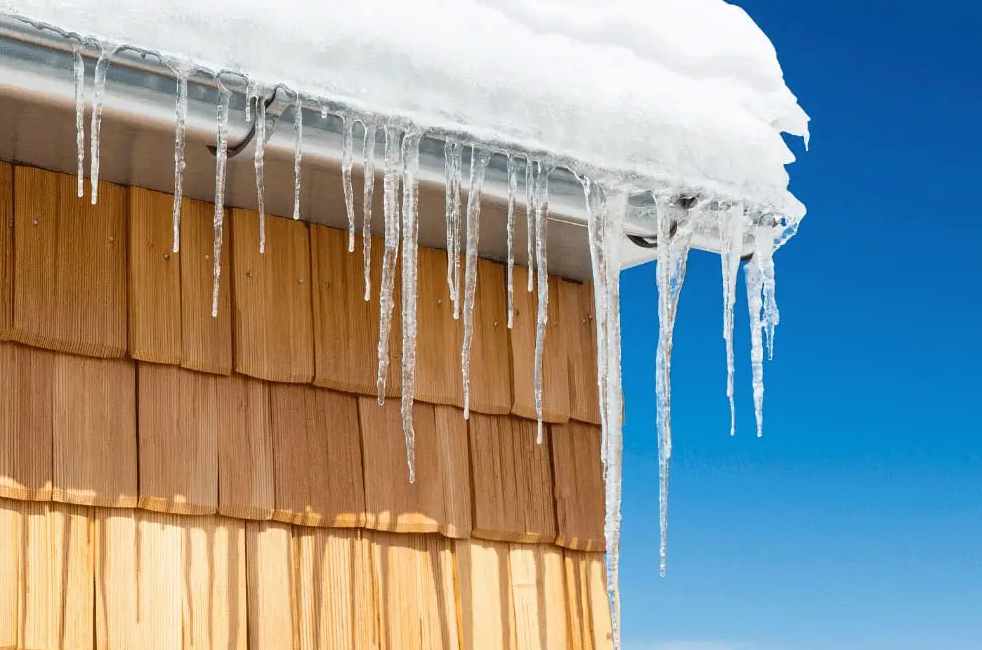
Clogged gutters are one of the leading causes of ice dams in Maine. When leaves, pine needles, and other debris block the flow of water, it backs up along the roof edge, freezes, and creates a dam that forces water underneath your shingles. The resulting leaks can damage ceilings, walls, insulation, and even the structural framing of your home.
Clean your gutters thoroughly in late fall after the majority of leaves have dropped. Make sure downspouts are directing water at least three to four feet away from your foundation. If your home is surrounded by trees, consider installing gutter guards to reduce the frequency of buildup throughout the season.
Inspect Flashing and Sealant
Flashing is the metal material installed around roof penetrations like chimneys, skylights, vents, and where the roof meets a wall. Over time, flashing can pull away from the surface, develop rust spots, or lose the sealant that keeps it watertight. These small gaps become major entry points for melting snow and ice.
Check the flashing around every penetration and along any roof valleys. If you notice cracked or missing caulk, dried-out sealant, or lifted edges, have these areas repaired before winter arrives. This is one of the most cost-effective preventive measures you can take.
Trim Overhanging Branches
Trees that hang over your roof pose multiple risks during winter. Heavy snow and ice can cause branches to snap and fall directly onto your roofing material, puncturing membranes or cracking shingles. Overhanging limbs also deposit leaves and debris into gutters and create shaded areas where moss and ice tend to accumulate.
Trim any branches that extend within six to ten feet of your roof. This not only protects your roofing system but also improves airflow around your home and reduces the chance of pest access through the roofline.
Check Your Attic Ventilation and Insulation
Many homeowners overlook the attic when preparing for winter, but proper ventilation and insulation are critical to preventing ice dams. Here’s how it works: when warm air from your living space rises into an under-insulated attic, it heats the roof deck from below. This causes the snow sitting on top to melt. The water runs down to the colder eaves, where it refreezes and creates a dam.
Proper attic insulation keeps the warm air where it belongs—inside your home. Adequate ventilation allows cold outside air to circulate through the attic, keeping the roof deck uniformly cold so that snow melts evenly rather than in concentrated spots. Check that your soffit vents aren’t blocked by insulation and that your ridge vents are clear and functional.
Address Minor Repairs Now
It’s tempting to put off small repairs when your roof isn’t actively leaking, but winter has a way of turning minor issues into major ones. A few missing shingles in October can become a full interior leak by December. A tiny gap around a vent pipe can allow enough moisture in to create mold behind your walls.
If your inspection reveals any damage—no matter how minor—schedule repairs before the temperatures drop. Roofing materials adhere and seal much better in moderate weather, and contractors are typically less booked in early fall than during the peak of storm season.
Consider a Professional Roof Inspection
While a homeowner’s visual check is valuable, a professional inspection goes deeper. Experienced roofers know where to look for hidden damage that isn’t visible from the ground—deteriorating underlayment, compromised decking, and flashing failures that may not show symptoms until water has already penetrated the system.
A professional inspection in the fall gives you a clear picture of your roof’s condition heading into winter. If repairs are needed, you’ll have time to address them before the season makes outdoor work difficult or impossible. If your roof is in good shape, you’ll have peace of mind knowing it’s ready for whatever comes.
Don’t Forget the Roof Drainage Plan
In addition to clean gutters, think about how water and snowmelt move away from your home overall. Make sure grading around your foundation slopes away from the structure. Check that any drainage systems—French drains, dry wells, or catch basins—are clear and functioning. Winter water management starts at the roof but ends at the ground, and every part of the chain matters.
A Few Minutes of Preparation Saves Thousands
The common thread through every item on this checklist is the same: a small amount of effort before winter can prevent expensive, stressful damage during the season. Maine roofs take a beating every year, and the homes that come through winter in the best shape are the ones whose owners took the time to prepare.
If you’re unsure about the condition of your roof or want a professional set of eyes on it before the snow arrives, Freedom Roofing is here to help. We serve homeowners throughout Maine—including Bangor, Portland, Ellsworth, York, and Cumberland County—with honest assessments, quality repairs, and the kind of straightforward service you deserve.
Schedule your fall roof inspection today and head into winter with confidence.